
What Thoughtful Design Looks Like in Naples Today
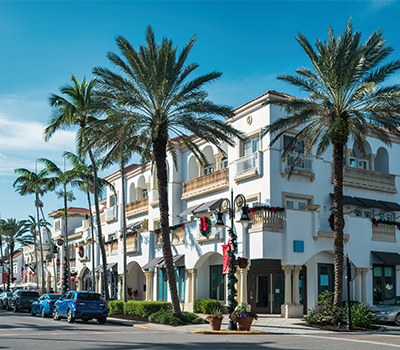
Naples has quietly become one of Florida’s most design literate coastal cities. From architecture to interiors to landscape, something more considered is taking shape. The shift is not loud or declarative. It is measured, deliberate, and rooted in a clearer understanding of how people actually live here.
For decades, Naples design was easy to summarize. Mediterranean references, coastal palettes, generous proportions, and an emphasis on comfort over experimentation defined the residential landscape. It was elegant and familiar, but largely predictable. What is happening now is more nuanced. Design in Naples has entered a phase defined less by style and more by judgment.
This evolution is also visible in the thinking of development teams shaping the next chapter of Gulf Shore Boulevard. Golub & Company, in partnership with Barron Collier Companies, approached 2020 Gulf Shore from this same premise: that in a mature coastal market, judgment and placement matter more than spectacle. The project becomes one expression of a broader shift underway across Naples, where restraint is increasingly viewed as a mark of confidence rather than limitation.

As Martin Horner of Soucie Horner Design Collective notes, “In Naples today, the most successful design is not about introducing something unfamiliar. It is about refining what belongs here and allowing light, proportion, and material to do the work.” His observation reflects a broader recalibration across the city, where maturity is expressed through refinement rather than addition.
A Move Away from Imitation Toward Intention
One of the clearest shifts in Naples design is the move away from imitation toward intention. Rather than defaulting to historical European references, newer residences increasingly prioritize proportion, material honesty, and livability.
Clean rooflines, simplified massing, and a quieter architectural language are becoming more prevalent, particularly in waterfront settings. Buildings are composed to respect the coastal environment not through ornament, but through orientation, light, and flow. Views are framed rather than competed with. Architecture is intentionally restrained so the setting can lead.
This approach aligns with broader national trends in high end residential design, but Naples applies them with local sensitivity. Homes are designed to feel calm during season, measured year round, and relevant well beyond current design cycles.
Interiors Defined by Craft, Material, and Longevity
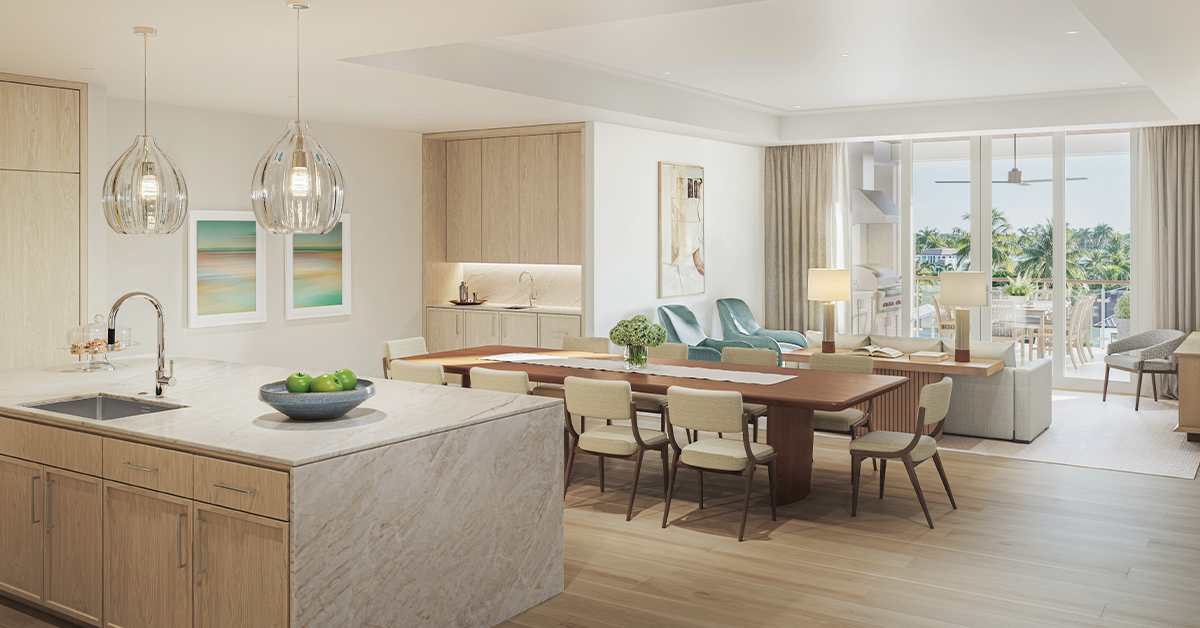
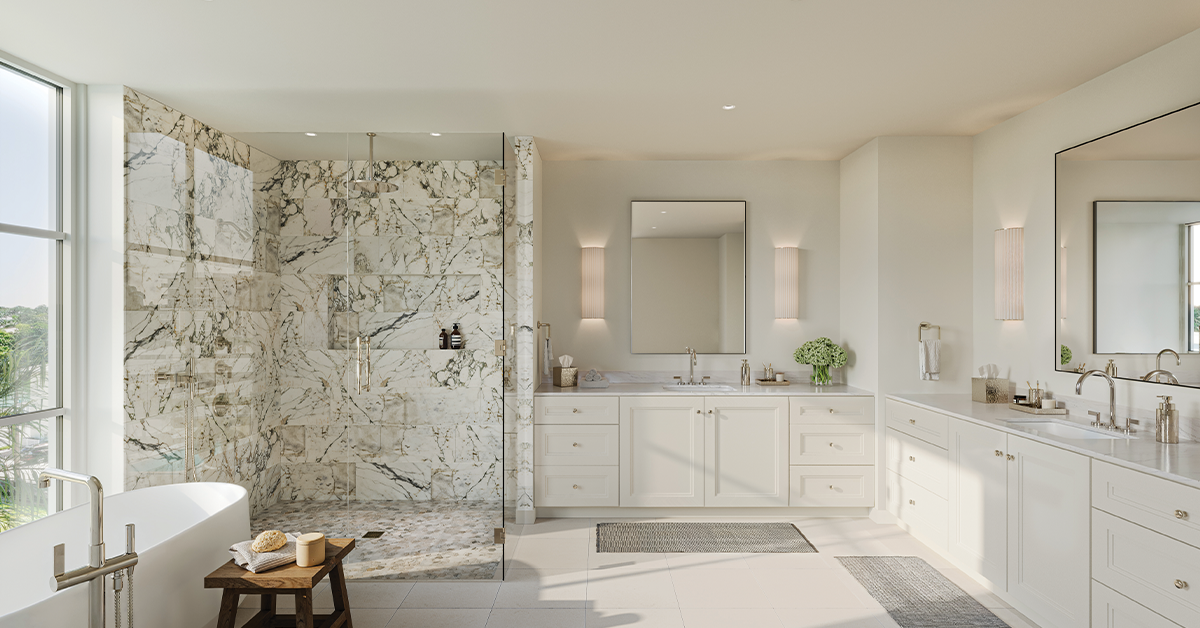
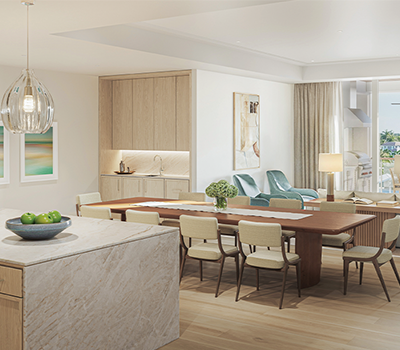
Inside the home, Naples interiors are shifting away from overt theming and toward craftsmanship. Natural stone, wide plank wood flooring, plaster finishes, and custom millwork are increasingly favored over decorative gestures that date quickly.
“Design takes you there,” Horner notes. “We try to create a neutral, timeless backdrop so residents can bring in their art, their collections, their personality. We avoid trends in favor of classic, enduring design.”
Longevity has become a guiding principle. Spaces are curated to feel cohesive over decades, not seasons. Color palettes remain restrained, but never flat. Texture carries the weight, whether through honed marble, limestone, or layered fabrics that soften modern lines.
Lighting design has evolved as well. Rather than relying solely on statement fixtures, designers are using architectural and integrated lighting to shape how rooms are experienced throughout the day. This reflects how residents move naturally between interior spaces and outdoor terraces as light changes.
Architecture in Dialogue with Water
In Naples, the most meaningful design decisions often reveal themselves in how a home engages its surroundings. Along Gulf Shore Boulevard in particular, architecture is defined as much by orientation and elevation as by materials or detailing.
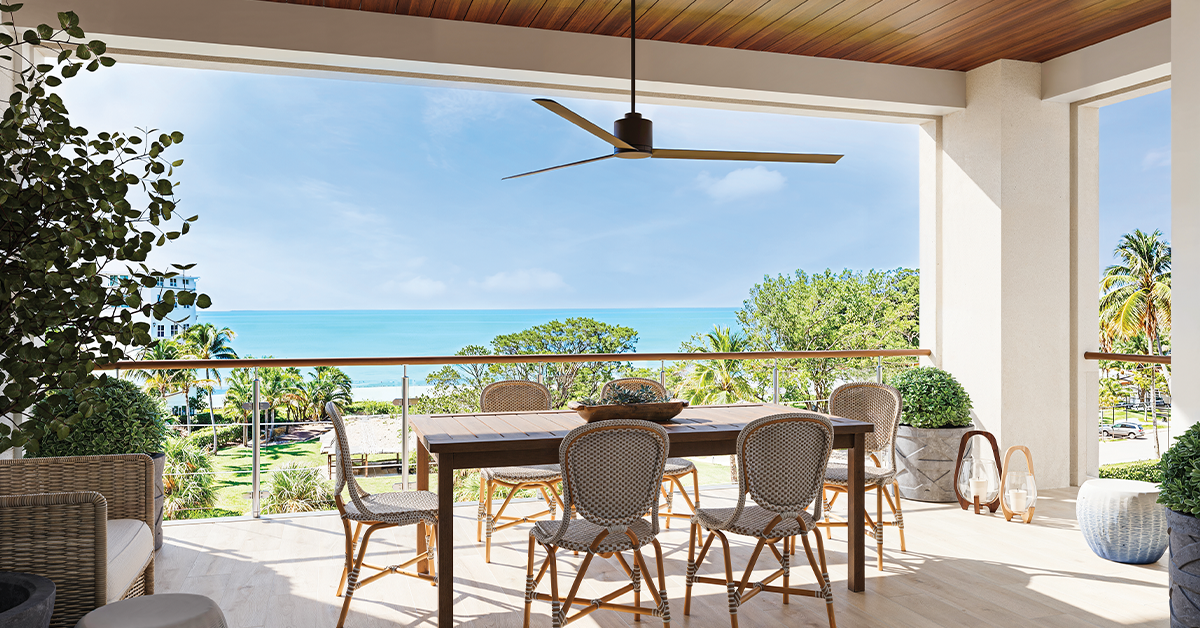
On one side, the open Gulf establishes a horizon that is expansive and constant. On the other, the bay offers a quieter, more intimate relationship with the water. The most considered residences acknowledge both conditions, shaping terraces, glazing, and interior layouts to respond to shifting light, prevailing breezes, and long view corridors.
“The best homes don’t compete with the environment,” Horner says. “They connect you to it.”
A More Discerning Buyer Is Shaping Design Decisions
What makes this moment in Naples design especially telling is what it says about the city itself. Design is no longer used to signal status. It functions as a framework for living well.
Buyers are asking more informed questions. They care about who designed the interiors, how materials will age, and whether a space will still feel relevant ten years from now. This level of discernment attracts designers who value collaboration and depth over trend.
It also explains the growing appeal of deliberately scaled, boutique residential projects. With fewer residences, design decisions can be more precise. Spaces can feel tailored rather than standardized. The result is an environment that feels resolved rather than produced.
How 2020 Gulf Shore Reflects This Shift
The most compelling new residences in Naples today are not expressed by boldness, but by discipline. At 2020 Gulf Shore, that discipline is evident in how architecture, interiors, and placement work together rather than compete for attention.
Located south of Doctors Pass on Gulf Shore Boulevard, the Gulf to Bay setting allows water and light to remain the focal points. Interiors are designed to frame views rather than distract from them.
“We designed the floor plans so your eyes are drawn through to the horizon,” Horner explains. “With Naples’ incredible light, these residences will be full of natural light from morning through sunset.”
Interiors by Soucie Horner Design Collective favor natural, enduring materials over trend driven statements. Two distinct interior approaches, Transitional and Classic, offer different expressions of the same underlying philosophy. Both emphasize proportion, texture, and restraint.
“One element we focused on was creating a sense of arrival,” Horner notes. “Instead of opening directly into the main living space, there’s a moment of transition. The home unfolds rather than announces itself.”
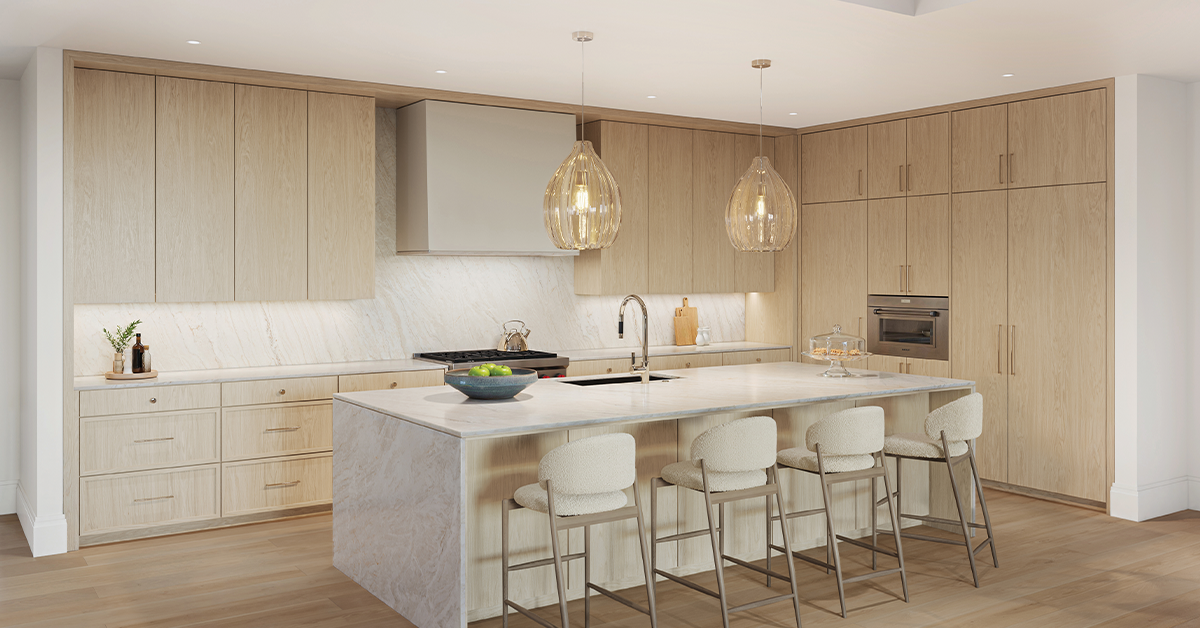
Terraces with summer kitchens extend living spaces outward, reinforcing the indoor outdoor rhythm that defines daily life in Naples. Kitchens, living areas, and dining spaces flow together, shaped by detailing rather than walls.
With only fifteen residences, the scale creates a boutique living environment defined by intention, placement, and material integrity.
A Clearer Standard for Coastal Living in Naples
For those who view design not as decoration but as a foundation for daily life, this evolution is worth noting. It informs how homes are built, how spaces are experienced, and how Naples continues to distinguish itself among coastal markets.
As the city refines what thoughtful coastal living looks like, opportunities aligned with this mindset remain limited. The most enduring examples will be those that prioritize placement, proportion, and restraint over novelty. 2020 Gulf Shore is the latest community of that caliber to enter the market.
Composed of just fifteen residences in a rare Gulf-to-Bay setting south of Doctors Pass, 2020 Gulf Shore is located directly across from the protected shoreline of the Moorings Beach Park. Starting from $7.5 million, homes range from approximately 3,683 to 4,141 square feet, each offering three bedrooms, three and one-half baths, and a study.
The 2020 Gulf Shore sales gallery offers an opportunity to experience the material palette firsthand, including a fully realized model kitchen, primary bathroom, and powder room that illustrate the project’s approach to proportion, texture, and restraint. To contact the sales team for an appointment or get our brochure, visit 2020gulfshorenaples.com or call 239-288-0388.




 Request Brochure